What Happens to Child Stars After Fame
What happens to child stars after fame? A look at the pressures, legal protections and real career paths of former young performers, with famous examples.
Child stars live inside a strange bargain. They get attention, money and opportunity long before most people have chosen a career, and they pay for it with a public image that can be hard to outgrow. Plenty of them do well. Others struggle. The honest answer to what happens next is that it depends on the family, the industry and plain luck.
Popular culture loves the cautionary tale, but the reality is more varied than the headlines suggest.
The old pattern
Early Hollywood had little protection for young performers. Studios under the contract system controlled schedules, publicity and sometimes even personal choices. Judy Garland, who signed with MGM as a teenager, later spoke about the pressures she faced there, including long working hours. Shirley Temple, by contrast, left acting for public service as an adult, eventually serving as a United States ambassador, which shows the other side of the story.
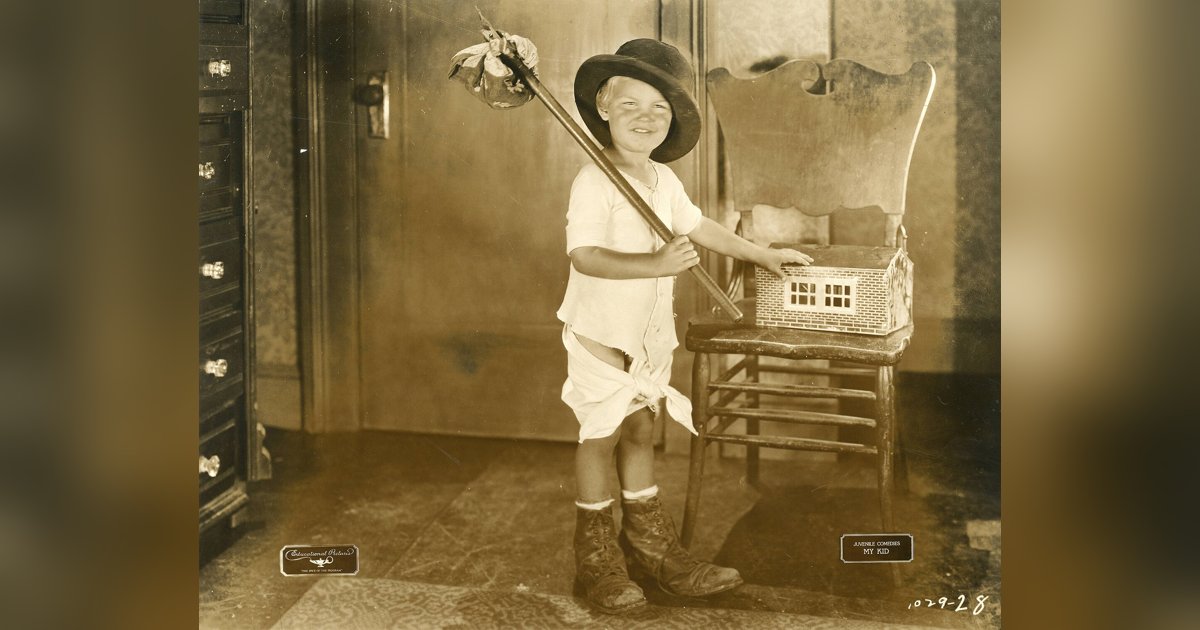
Jackie Coogan, the child star of Charlie Chaplin’s The Kid in the 1920s, discovered as an adult that most of his earnings had been spent by his mother and stepfather. That scandal helped lead to California’s Child Actor’s Bill, often called the Coogan Law, passed in 1939 and strengthened since.
The Coogan Law and what it does
The modern version of the law requires that a portion of a minor performer’s earnings, currently 15 percent in California, be set aside in a trust account. It also regulates working hours, schooling on set and the presence of a guardian. Other states, including New York, have comparable rules, and in recent years more states have updated theirs.
These laws are not perfect. They do not cover every kind of work, particularly some internet content, and enforcement depends on parents and employers following the rules. Several states have lately passed new laws to protect children who appear in family vlogs and online videos, which shows how fast the medium is changing.
- Part of earnings is placed in a protected trust
- Work hours and school time are regulated
- A guardian or studio teacher must be present
- Courts often review large contracts involving minors
Why the transition is hard
The biggest challenge for child stars is not money but identity. Audiences fall in love with a young character and resist the grown-up version. A teenage actor who played a lovable kid may struggle to be cast as an adult, because casting directors, and the public, see the old role first.
There are also practical problems. A child actor may miss ordinary school life, friendships and milestones, and then face an adult career that hinges on a past they did not entirely choose. Several former performers, including Drew Barrymore, Jodie Foster and Neil Patrick Harris, have spoken publicly about the strangeness of growing up on camera. Their experiences differ, but they often mention the importance of supportive adults.
Those who made it work
Some stars simply keep going. Jodie Foster moved from child roles to Oscar-winning adult performances and later directing. Ron Howard, who played Opie on The Andy Griffith Show as a boy, became a celebrated director. Natalie Portman went from Leon: The Professional to an Oscar and a Harvard degree. Daniel Radcliffe, who spent his youth in the Harry Potter films, deliberately chose unusual projects to broaden his image, from stage work to offbeat films.
The common pattern is strategy. These stars made conscious choices, whether going to college, trying new genres, or stepping behind the camera. Support from family members who treated the career as a job rather than a destiny also helped.
Those who left the business
Many young performers do not stay in the industry at all, and that is a perfectly fine outcome. Some become teachers, lawyers, scientists or business owners. Mara Wilson, who starred in Matilda as a girl, wrote a candid book about her experience and has built a career as a writer. Others return to acting after a long break, sometimes in smaller supporting roles.
It is worth remembering that for every famous name there are thousands of working child actors whom the public never meets. Their careers end quietly, without scandal, and they go on to ordinary adult lives.
Why child stars still draw such attention
Part of the fascination comes from the sense that fans watched them grow up. The attention can be affectionate, but it can also be intrusive, especially in the age of social media, where old clips can resurface at any time. Documentaries and memoirs have recently given former child stars a chance to tell their own stories, and many have used them to call for stronger protections.
The more useful way to think about child stars is as workers. Seen that way, the questions become practical. Are the earnings protected? Is school prioritized? Does someone independent look after the child’s interests? Where the answer is yes, outcomes tend to be much better. Where it is no, the cautionary tales write themselves, and the public is left asking the wrong question about why fame itself is the villain. Looking at child stars as workers with rights rather than as symbols makes the whole discussion fairer. Whether it is a famous face or an unknown extra, child stars deserve protections that outlast their fame.
For more background, see the Wikipedia article.
Related reading
Written by
NextUp Editorial
The NextUp Magazine editorial team covers new music, entertainment and the business behind celebrity careers, using public sources and clear estimates.