The Rise of Celebrity Podcasts: Why Everyone Has a Mic
Celebrity podcasts are now a major media business. See why actors, athletes and royals launched shows and how big money changed the industry.
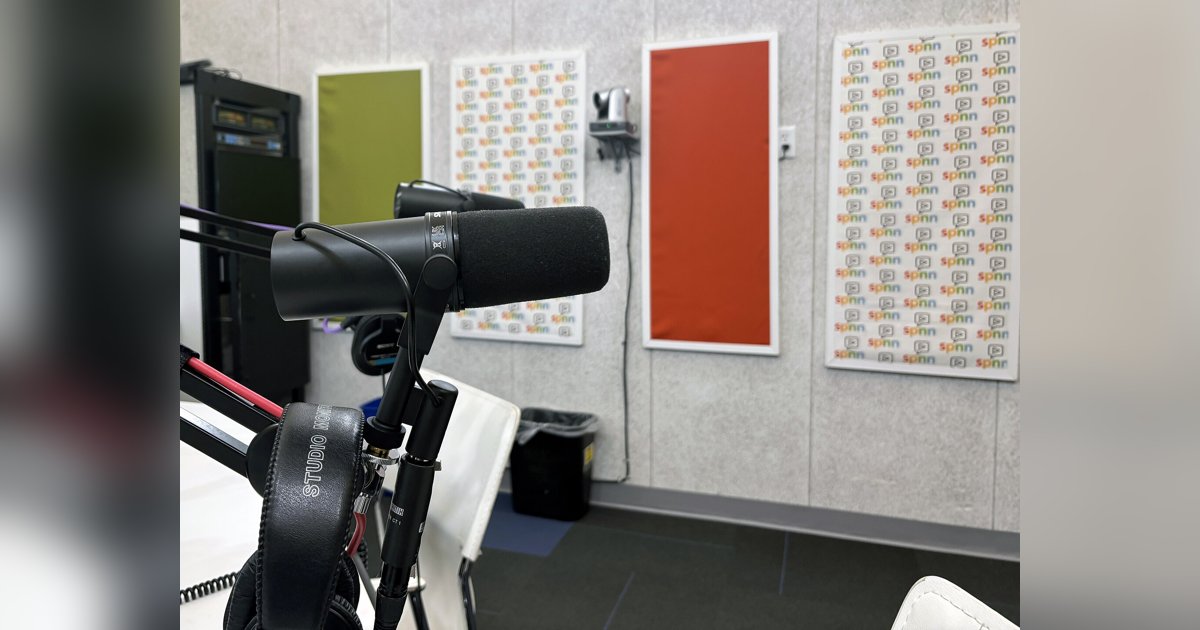
A decade ago, podcasts were a niche hobby for comedians and tech fans. Today celebrity podcasts are a central part of the entertainment business, with actors, athletes, politicians and even royals launching their own shows. The shift happened quickly, and it was driven by money, access and a hunger for unfiltered conversation.
From hobby to industry
Early hits like Marc Maron’s WTF showed that long, honest interviews could attract a devoted audience. Then came a wave of professional production. Companies such as Spotify, SiriusXM and Wondery began to see audio as a place where subscribers and advertisers meet.
As the market grew, it became clear that known names bring built-in listeners. A famous host can promote a new show to millions of followers on day one.
The big-money deals
The industry’s turning point came when platforms started paying star-level fees. Joe Rogan’s move to Spotify in 2020 was reported to be worth around $100 million at the time, and later reports put a renewal even higher. Alex Cooper’s Call Her Daddy signed with Spotify in 2021 in a deal widely reported at about $60 million, then moved to SiriusXM in 2024 in a deal reported at around $125 million.
- Joe Rogan, whose show became a major Spotify exclusive
- Alex Cooper, who built Call Her Daddy into a media company
- SmartLess, with Jason Bateman, Sean Hayes and Will Arnett
- New Heights, hosted by Jason and Travis Kelce
Figures like these are based on press reports, and the companies rarely confirm them. They do show how seriously the business takes the format.
Why stars like the medium
Podcasts offer something that red carpets and press tours do not. Time. A star can talk for an hour or two without a publicist cutting in, and that gives fans a chance to hear a fuller version of a personality.
They are also cheap to produce. A microphone, a studio and a producer are far cheaper than a film set. For celebrities used to being managed, a podcast can feel like control.
Friendship as a format
Many of the most successful shows are built on chemistry. SmartLess works because three friends banter. Armchair Expert, hosted by Dax Shepard, leans on his open, curious interview style. The Kelce brothers made New Heights a hit by letting audiences listen to two siblings talk about football and life.
This is not an accident. Listeners often use podcasts as background companionship, and a warm, familiar voice can matter more than a polished script.
The political and royal angle
Public figures have joined too. The Michelle Obama Podcast launched on Spotify in 2020 through the Obamas’ company Higher Ground. Prince Harry and Meghan, the Duke and Duchess of Sussex, launched Archetypes on Spotify in 2022, though the broader Spotify deal ended in 2023.
These examples show that the format reaches beyond entertainers. It gives leaders and public personalities another route to speak directly to audiences.
Video changes the game
Podcasts are no longer just audio. Many shows now film their episodes and post them on YouTube, where clips spread quickly on social media. That creates extra revenue through ads and gives hosts more reach.
Video also affects casting. Guests have to think about how they look, and hosts may build sets and branding. The line between podcast and talk show has blurred.
The downsides
Not every celebrity show succeeds. Plenty fade after a few episodes because the host lacks a distinct angle, or because the novelty wears off. Listeners can sense when someone is only promoting a project.
There is also a risk of oversaturation. With so many shows, discovery is hard, and big deals have been renegotiated or ended in several cases.
What celebrity podcasts mean for the media business
Traditional interviews are changing because of this trend. Why sit with a magazine reporter for twenty minutes when a star can host a two-hour conversation on their own show? Publicists now weigh the value of appearing on friendly podcasts rather than hard-news programs.
For listeners, the shift brings both benefits and questions. Long-form chats can be revealing, but they are not always tough. A host who is a friend of the guest may not ask the difficult questions, and that makes some shows feel more like fan service than journalism.
Still, the economics are hard to ignore. Subscriptions, ad sales and live tours have turned several celebrity podcasts into real companies with staff and spin-offs. Some of them now hold more cultural sway than the traditional outlets they were meant to replace.
What comes next
Platforms are still investing, and advertisers like the intimate nature of audio. Expect more athletes, chefs and actors to start shows, and expect more of them to move to video-first formats.
The best celebrity podcasts succeed for a simple reason. They feel like conversation, not publicity. As long as audiences want that sense of closeness, the microphone will keep attracting famous people.
For more background, see the Wikipedia article.
Related reading
Written by
NextUp Editorial
The NextUp Magazine editorial team covers new music, entertainment and the business behind celebrity careers, using public sources and clear estimates.