Streaming Versus Theaters in Hollywood: Who Is Winning?
Streaming versus theaters is the biggest business argument in Hollywood. See how release windows, pandemic shifts and hit films reshaped where we watch.
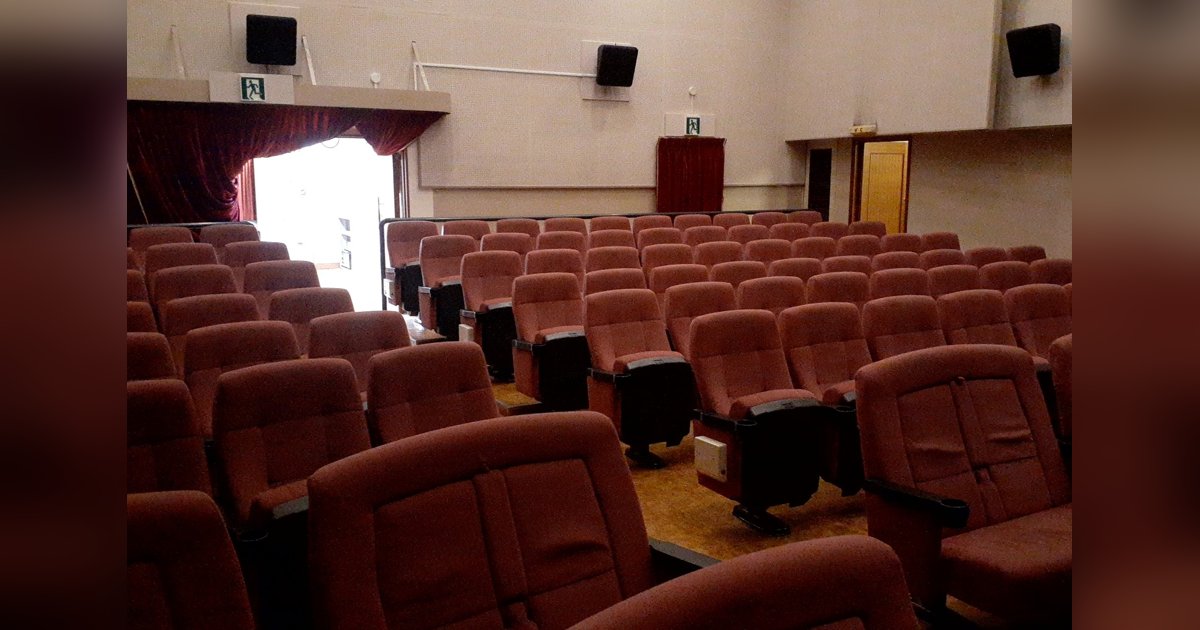
The fight of streaming versus theaters has been running for more than a decade, and it has never really been a fair fight. Both sides need each other, and the business decisions about where and when to release a film shape what ends up on your screen. The simple version is that theaters sell an event, while streaming sells convenience and a monthly habit. The real version is messier.
Here is how the argument got where it is.
The traditional window
For decades, a movie ran in theaters exclusively for roughly 90 days before moving to home video, pay television and eventually free television. This so-called release window protected theater owners, who relied on exclusivity to get people through the door. Studios were happy with the arrangement because theatrical performance set the film’s value for everything that followed.
Netflix, which began as a DVD-by-mail service and moved into streaming in 2007, did not play by those rules. When it started producing its own films, it released them straight to the service, with limited theatrical runs mostly for awards eligibility. Roma, The Irishman and Marriage Story all got small theatrical releases before arriving on the platform, which angered some exhibitors but delighted subscribers.
The pandemic accelerated everything
In 2020, theaters in the United States closed for months, and studios scrambled. Disney put Mulan on Disney Plus with an extra fee, and Warner Bros announced that its entire 2021 slate would debut on HBO Max on the same day as it arrived in theaters. That decision caused an uproar among filmmakers, and it was hard on theater chains, which saw it as a direct threat.
The shock pushed streaming subscriptions up sharply, and it showed studios how much consumers valued watching at home. It also taught the business a lesson in balance, because some of the biggest streaming bets did not generate the profits that executives expected.
- Window lengths shrank, often to 30 to 45 days
- Studios experimented with same-day releases
- Premium on-demand rentals appeared
- Streamers added ad-supported tiers
The theatrical comeback, with caveats
Theaters have bounced back in important ways. Top Gun: Maverick in 2022, released only in theaters, earned roughly $1.5 billion worldwide. In 2023, the Barbie and Oppenheimer pairing, famously nicknamed Barbenheimer, drew audiences back in huge numbers and proved that event films still pull people out of their homes.
Even so, total attendance in the United States has remained below pre-pandemic levels, and a few mid-budget dramas and comedies have struggled to find theatrical audiences. Studios have moved toward fewer, bigger releases, which leaves a gap for smaller stories.
What streaming does well
Streaming excels at volume and variety. A subscriber can sample thousands of titles for a monthly fee, and a modestly budgeted film can find an audience that would never have visited a cinema. Streaming also gives lower-budget filmmakers a path to reach viewers without needing a major distribution deal.
The business model, though, depends on subscriber growth and retention. Most services have raised prices and introduced advertising tiers in recent years, which makes the economics more like traditional television. Several have also cut back on spending after the early wave of heavy investment. The debate over streaming versus theaters therefore involves not just taste but also profitability.
Labor, creators and the credit question
Hollywood’s 2023 strikes by the Writers Guild of America and SAG-AFTRA put streaming economics at the center of negotiations. Creators argued that old residual formulas, which paid based on reruns and box office, did not fit a world where viewership data was kept private. The resulting agreements added new bonuses and protections tied to streaming performance, and the debate about transparency continues.
For filmmakers, the choice often comes down to reach versus prestige. Many directors still want a theatrical release, with the big screen, big sound and communal experience that come with it. Others value the guaranteed budget and the wide audience of a streamer.
Where streaming versus theaters is heading
Most observers expect a hybrid world. Big spectacle films will keep going to theaters first, then migrate to streaming after a shorter window. Mid-budget films may debut on streaming with a limited theatrical run, and streamers will occasionally release selected titles in cinemas to compete for awards and attention.
The conflict is less a war than a negotiation about timing. Theater owners want longer exclusivity, studios want flexibility, and viewers want choice. The outcome will probably vary from one film to the next, and the smartest studios will treat each release as its own decision rather than a fixed rule.
That is the real answer to streaming versus theaters. It is not a winner-takes-all contest, and it never was. It is a long, slightly awkward partnership between two businesses that depend on the same audience. Expect the streaming versus theaters question to keep returning each time a major film is released. The streaming versus theaters argument will probably never be settled, only renegotiated.
For more background, see the Wikipedia article.
Related reading
Written by
NextUp Editorial
The NextUp Magazine editorial team covers new music, entertainment and the business behind celebrity careers, using public sources and clear estimates.