How the Super Bowl Halftime Show Pays: Fees, Costs and Real Rewards
The Super Bowl halftime show pays performers little up front. Here is how the money really works, from union scale to streaming bumps and tour demand.
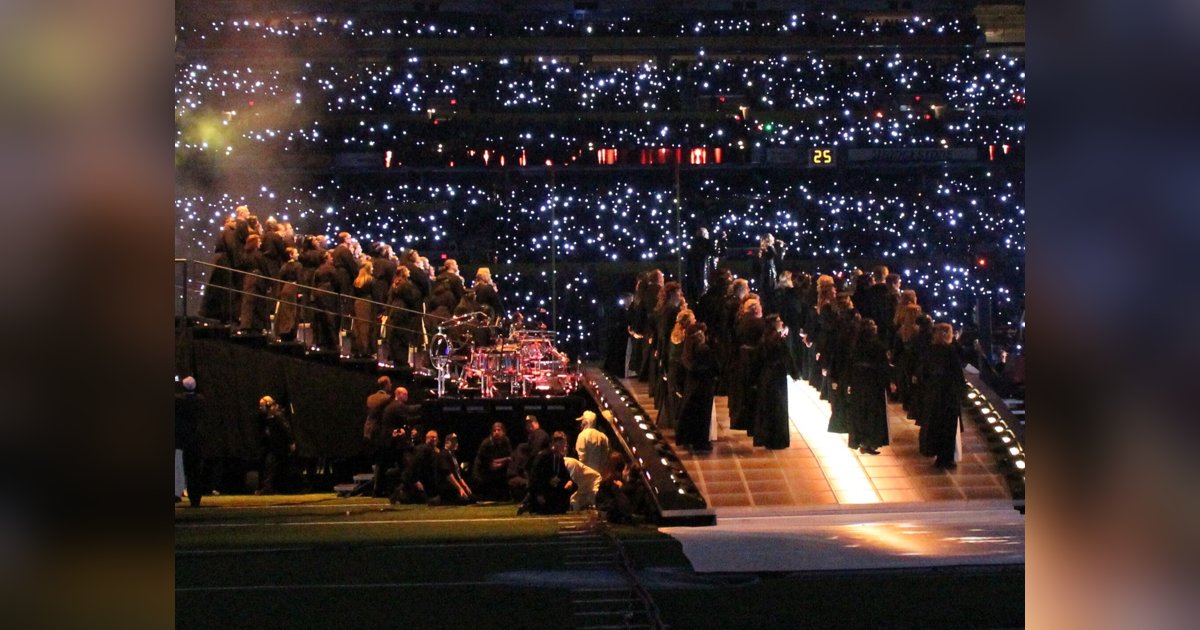
Over a hundred million people watch the Super Bowl halftime show, which makes it the most valuable twelve minutes in American music. So surely the headliner walks away with a fortune? Not directly. The paycheck is famously small, and the reasons say a lot about how fame is priced.
The fee is close to nothing
The NFL has long said that performers are paid the union scale minimum, the base rate set by the performers’ unions. That is a tiny sum for a global star. Artists have also confirmed over the years that they were not receiving a typical performance fee, and the league has treated the slot as a promotional platform rather than a gig.
The logic is simple. Hundreds of artists would perform for free, so the league has no pressure to pay market rates. The exposure is the currency, and the NFL spends its money elsewhere.
Who pays for the Super Bowl halftime show spectacle
The production is another story. The league covers the cost of building and operating the stage, which can run into the millions, and the artist’s team is often reported to add its own money on top to get a more ambitious show. Stages roll onto the field in a matter of minutes, then roll off again, with hundreds of volunteers pushing the pieces into place.
Some performers have been known to spend beyond the budget for extra dancers, custom costumes or pyrotechnics. They decide it is worth it, because a memorable show produces a payoff that no up-front check could match.
The Roc Nation era
Since 2019 the NFL has partnered with Jay-Z’s entertainment company, Roc Nation, to advise on the entertainment and social justice initiatives. The partnership changed how headliners are picked, putting a larger emphasis on artists who feel culturally current rather than those with the longest list of hits.
The results have been varied: Rihanna in 2023, Usher in Las Vegas in 2024, Kendrick Lamar in New Orleans in 2025, and Bad Bunny for the 2026 game. Each headliner drew a strong reaction, and each performance was dissected for weeks.
Where the real money shows up
The payoff comes afterward. After a halftime performance, streaming numbers for an artist’s catalog commonly jump, sometimes by several multiples within a day, and the songs performed climb the charts. A listener who only knew one hit may come away with a full playlist.
That surge feeds directly into royalties, and it also feeds ticket demand. Tour promoters like a fresh halftime credit because it reaches people who never follow music news. Fashion and beauty deals can grow from the same moment, since a famous outfit can be a sales pitch in itself.
Sponsors and the broadcast
Sponsorship runs in the background. Pepsi was the long-time title sponsor of the show for a decade before Apple Music took over the sponsorship starting with the 2023 game, which is why the performance now carries Apple branding. Sponsorship money goes to the league, not the artist, but it helps pay for the machine around the show.
The broadcast partner profits as well. Commercials during the Super Bowl are among the most expensive on television, and the halftime show keeps people from leaving the room. Viewership for recent halftime shows has been reported well above the average game audience, which is why the slot is protected so carefully.
What a Super Bowl Halftime Show Costs the Artist
The hidden bill is time. Rehearsals run for weeks, often in secret warehouses, with a replica of the field marked out on the floor. Dancers, band members and crew are on payroll through all of it, and many of them are paid by the artist’s own company rather than the league.
There is also personal risk. Twelve minutes in front of a worldwide audience leaves no room for a missed cue or a faulty microphone, and a flat performance follows an artist around online. Stars treat the Super Bowl halftime show as a calculated gamble, and most walk off feeling they got more than they gave.
How a headliner is really chosen
There is no application form. The league and its partners look for someone with broad appeal, a catalog large enough to fill twelve minutes with songs the whole country knows, and the stage presence to hold a stadium. Availability matters too, since rehearsals are intense and secret.
Controversy matters as well. Every pick draws noise, from complaints that the choice is too young, too old, too political or too unfamiliar. The league seems to accept that as part of the deal. Debate keeps the show in the news for the two weeks before it airs.
Michael Jackson’s 1993 performance is often credited with turning the break from a marching-band interlude into a major event, and that logic still holds. A Super Bowl halftime show is a trade of money for attention, and the biggest stars have decided the trade is worth making.
For more background, see the Wikipedia article.
Related reading
Written by
NextUp Editorial
The NextUp Magazine editorial team covers new music, entertainment and the business behind celebrity careers, using public sources and clear estimates.