How Paparazzi Photos Shape Celebrity News
Paparazzi photos drive much of celebrity news, from magazine covers to viral posts. Here is how the business works, who profits and where the lines fall.
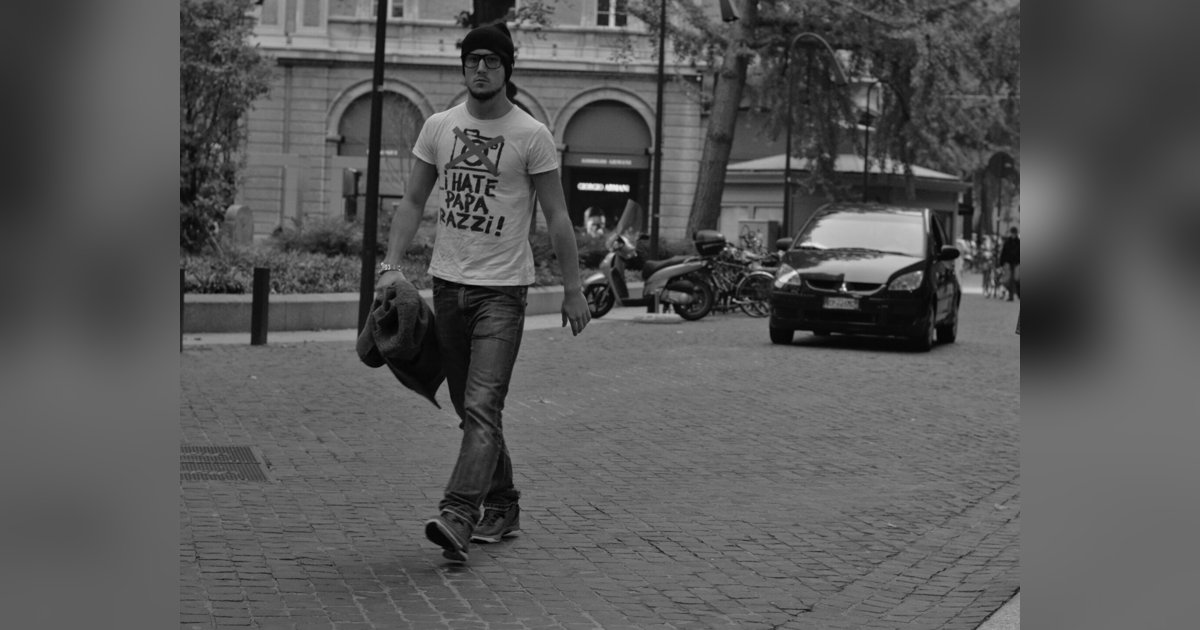
Paparazzi photos are the raw material behind a huge share of celebrity news. A single frame of a star leaving a restaurant, walking a dog or stepping off a plane can drive a headline, a social media debate and a week of commentary. Most readers never think about who took the picture or why it exists. That hidden business is worth understanding.
The word itself comes from Federico Fellini’s 1960 film La Dolce Vita, where a photographer character was named Paparazzo. The name stuck, and the trade it described has grown into a global industry.
Who actually takes the pictures
Photographers who work the celebrity beat are mostly freelancers or members of small agencies. They track stars through tips, social media posts and regular hangouts, then sell the images to outlets through photo agencies. Some are staff photographers for tabloids, but a large share of the pictures come from independent shooters who gamble that their frame will sell.
It is a competitive, low-margin job for most people in it. A few photographs bring in serious money, usually exclusives of major events such as engagements, births or surprise appearances. The rest bring in small payments or nothing at all.
How a photo becomes a story
Once an image enters the system, editors decide what it means. A caption can turn a casual coffee run into a hint about a new relationship, or a workout outfit into a fashion trend. That framing is often more influential than the photo itself.
Agencies license pictures to magazines, websites and television shows, often with exclusivity windows. Websites then recycle the pictures with their own captions. A single image can show up in dozens of articles within hours, each with a slightly different spin.
- The photographer shoots and uploads images to an agency
- The agency licenses the photos to outlets
- Editors write captions and headlines
- Social media accounts and aggregators spread the picture
- Fans and critics add commentary that keeps it circulating
The Princess Diana turning point
No discussion of paparazzi photos can skip Diana, Princess of Wales, who died in a car crash in Paris in 1997 while being pursued by photographers. The event prompted a major public reckoning about press intrusion in Britain and beyond. Britain’s Leveson Inquiry later examined press conduct in the early 2010s, and several countries have tightened rules on harassment and privacy.
California passed laws in the late 1990s and later that restrict some forms of aggressive photography, including rules on harassment and drones. Enforcement is complicated, and the laws have not eliminated the industry.
Stars who use the system
Celebrities are not always passive targets. Publicists and managers sometimes arrange for photographers to be present when a star is out in public, a practice many industry insiders openly describe. The photographs then appear to be spontaneous and give a client free promotion for a film or fashion line.
Other stars push back. Some have filed lawsuits over intrusive coverage, and others, like Jennifer Garner and Halle Berry, campaigned for stronger protection for children’s images in California, where legislation was passed in 2013. Their effort focused on harassment of kids rather than on stopping adult celebrity coverage.
Social media changed the economy
Today, celebrities post their own pictures, and fans take smartphone photos that spread within minutes. This has reduced the value of many ordinary paparazzi photos, because the audience no longer waits for a magazine to deliver them. Agencies have responded by focusing on exclusives and on video clips, which travel well on social platforms.
There is also a new gray area. Photographs taken by fans are often shared without payment or credit, and photographers have sued some celebrities for posting paparazzi pictures to their own accounts without a license. Those cases turn on copyright, not privacy, and courts have not always agreed with one another.
What to keep in mind about paparazzi photos
For readers, a bit of skepticism goes a long way. A paparazzi photo captures a split second, and the caption supplies the story. A star who looks angry may simply have been squinting at the sun. A person standing close to another star may be a coworker, a relative or a stranger.
Responsible outlets check pictures against other facts before drawing conclusions, and they avoid publishing images taken through windows or of children. Readers can also check whether a photo has been licensed, who took it, and when. These small habits separate reporting from speculation, and they remind us that behind every glossy frame is a business with its own incentives. Next time a headline leans on paparazzi photos, ask who benefits from the picture. The best habit for reading paparazzi photos is to treat them as evidence of a moment, not a verdict on a life.
For more background, see the Wikipedia article.
Related reading
Written by
NextUp Editorial
The NextUp Magazine editorial team covers new music, entertainment and the business behind celebrity careers, using public sources and clear estimates.